HR Generalist Career Path: Where Can It Take You? Positive 2025
Introduction
Have you ever wondered about the exciting possibilities that lie ahead in an HR Generalist career? Well, buckle up, because we’re about to embark on a journey through the diverse and dynamic world of Human Resources! In this article, we’ll explore the various paths an HR Generalist can take, from entry-level positions to the coveted C-suite. So, whether you’re just starting out or looking to level up your HR game, there’s something here for everyone.
What is an HR Generalist?
Before we dive into the career path, let’s get our bearings. An HR Generalist is like the Swiss Army knife of the Human Resources world. They’re the go-to people for a wide range of HR functions, from recruitment and onboarding to employee relations and benefits administration. Think of them as the jack-of-all-trades who keep the wheels of an organization’s workforce turning smoothly.
Skills Required for an HR Generalist
Now, you might be wondering, “What does it take to become an HR Generalist?” Well, let’s break it down into some key skills that’ll set you up for success.
Communication Skills
First and foremost, you’ve got to be a people person. HR Generalists are constantly interacting with employees at all levels, so strong communication skills are a must. You’ll need to be able to listen actively, speak clearly, and write effectively. Think of yourself as a bridge between management and employees, translating complex policies into easy-to-understand terms.
Problem-Solving Abilities
Ever tried to untangle a pair of headphones? That’s child’s play compared to some of the knots you’ll need to unravel as an HR Generalist. From resolving workplace conflicts to navigating tricky legal issues, you’ll need to be a creative problem-solver with a knack for finding win-win solutions.
Organizational Skills
If you’re the type who color-codes their closet and has a perfectly organized desk, you’re on the right track! HR Generalists juggle multiple tasks and projects, so being organized is crucial. You’ll need to manage employee records, track deadlines, and keep everything running like a well-oiled machine.
Technical Proficiency
In today’s digital age, being tech-savvy is no longer optional. You’ll need to be comfortable with HR information systems, applicant tracking software, and other HR-related technologies. Don’t worry if you’re not a tech wizard yet – most of these skills can be learned on the job.
Educational Requirements
Alright, so you’ve got the skills, but what about the book smarts? Most HR Generalist positions require at least a bachelor’s degree, typically in Human Resources, Business Administration, or a related field. Some employers might prefer candidates with a master’s degree, especially for more senior positions. But remember, education is just the foundation – it’s your experience and skills that’ll really make you shine.
Entry-Level Positions
Everyone’s got to start somewhere, right? Entry-level positions in HR are like the first rung on a ladder that can take you to great heights. You might start as an HR Assistant or Coordinator, where you’ll support more experienced HR professionals and learn the ropes of the industry. It’s a great opportunity to get your feet wet and start building your HR toolkit.
Mid-Level Career Opportunities
As you gain experience and prove your mettle, you’ll find a whole new world of opportunities opening up. Let’s take a look at some exciting mid-level positions you might encounter on your HR journey.
HR Manager
This is often the next step for many HR Generalists. As an HR Manager, you’ll take on more responsibility, overseeing HR functions for a specific department or the entire organization. You’ll be the go-to person for strategic HR initiatives and play a key role in shaping company culture.
Compensation and Benefits Specialist
If you’ve got a head for numbers and a passion for fairness, this could be your calling. In this role, you’ll design and implement compensation structures and benefits packages that keep employees happy and the company competitive.
Training and Development Manager
Do you love helping others grow and reach their full potential? As a Training and Development Manager, you’ll be responsible for creating and implementing programs that enhance employee skills and knowledge. It’s like being a teacher, but for grown-ups!
Senior-Level Positions
Ready to take your HR career to the next level? Let’s explore some of the top-tier positions you might aspire to.
HR Director
As an HR Director, you’ll be the captain of the HR ship, steering the overall direction of human resources for the entire organization. You’ll work closely with other executives to align HR strategies with business goals and ensure the company’s most valuable asset – its people – are well taken care of.
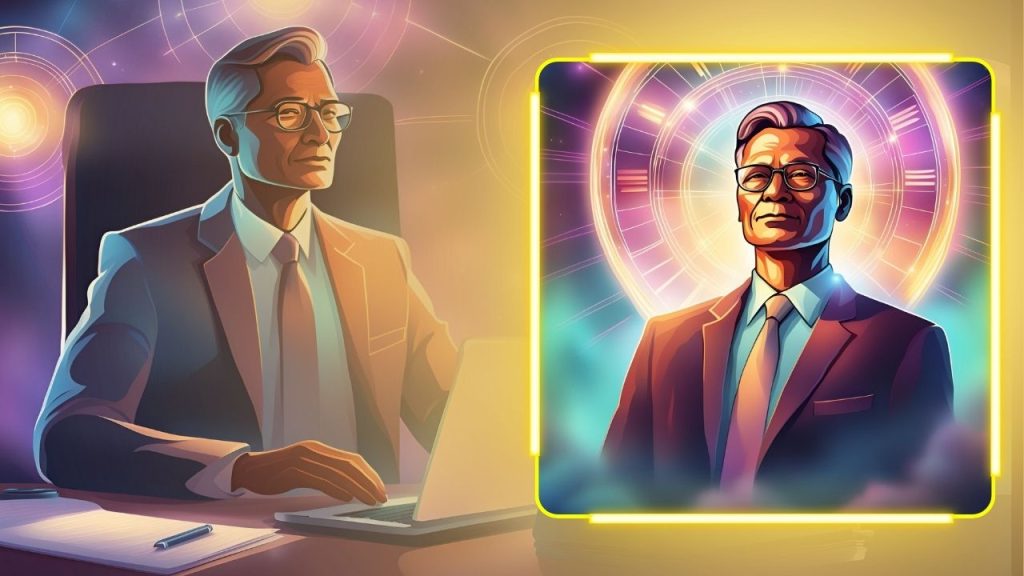
Chief Human Resources Officer (CHRO)
This is the pinnacle of an HR career. As a CHRO, you’ll be part of the C-suite, working alongside the CEO and other top executives to shape the company’s future. You’ll be responsible for developing and implementing HR strategies that drive business success and create a positive work environment for all employees.
Specialization Options
While being a generalist has its perks, you might find yourself drawn to a particular area of HR. Here are some specialization options to consider:
Talent Acquisition
If you’ve got a knack for spotting talent and love the thrill of the hunt, specializing in recruitment might be your calling. You’ll be responsible for finding and attracting top-notch candidates to join the organization.
Employee Relations
Do you have a talent for smoothing ruffled feathers and resolving conflicts? Employee relations specialists focus on maintaining positive relationships between employees and management, handling grievances, and ensuring a harmonious work environment.
Diversity and Inclusion
In today’s global workforce, promoting diversity and fostering an inclusive environment is more important than ever. As a diversity and inclusion specialist, you’ll develop strategies to create a workplace where everyone feels valued and respected.
Industry Transitions
One of the great things about an HR career is its versatility. The skills you develop as an HR Generalist can be applied across various industries. Whether you’re interested in tech startups, non-profits, or multinational corporations, there’s likely an HR role that fits the bill. Don’t be afraid to explore different sectors – each one offers unique challenges and learning opportunities.
Continuing Education and Certifications
In the ever-evolving world of HR, learning never stops. To stay at the top of your game, consider pursuing professional certifications like the SHRM-CP (Society for Human Resource Management Certified Professional) or PHR (Professional in Human Resources). These credentials can boost your credibility and open doors to new opportunities.
Challenges and Rewards of an HR Generalist Career
Let’s face it – no career is without its challenges. As an HR Generalist, you might face difficult conversations, tight deadlines, and the need to balance competing priorities. But with these challenges come great rewards. You’ll have the opportunity to make a real difference in people’s lives, shape company culture, and play a crucial role in an organization’s success.
Future Outlook for HR Generalists
The future looks bright for HR Generalists! As businesses continue to recognize the importance of human capital, the demand for skilled HR professionals is on the rise. According to the U.S. Bureau of Labor Statistics, employment of human resources managers is projected to grow 7 percent from 2019 to 2029, faster than the average for all occupations.
Conclusion
The HR Generalist career path is like a choose-your-own-adventure book – full of exciting possibilities and diverse opportunities. Whether you aspire to climb the corporate ladder to the C-suite, specialize in a particular area of HR, or make a difference in various industries, the sky’s the limit. Remember, the key to success in this field is continuous learning, adaptability, and a genuine passion for working with people. So, are you ready to embark on this rewarding journey? Your HR adventure awaits!
FAQs
1. How long does it typically take to advance from an entry-level HR position to a senior role?
The timeline can vary depending on factors like individual performance, company size, and industry. However, it’s not uncommon for HR professionals to reach managerial positions within 5-7 years and senior roles within 10-15 years.
2. Is it necessary to have a specific HR degree to become an HR Generalist?
While an HR-specific degree can be beneficial, it’s not always necessary. Many successful HR Generalists have degrees in related fields like Business Administration, Psychology, or even Liberal Arts. What’s most important is developing the right skills and gaining relevant experience.
3. How can I gain HR experience if I’m just starting out?
Consider internships, part-time HR assistant roles, or volunteering to handle HR-related tasks in your current job. You can also join professional HR organizations to network and learn from experienced professionals.
4. What’s the difference between an HR Generalist and an HR Specialist?
An HR Generalist has a broad knowledge of various HR functions, while an HR Specialist focuses on a specific area like recruitment, compensation, or training. Generalists often work in smaller companies where they handle multiple HR responsibilities, while specialists are more common in larger organizations.
5. How is technology changing the role of HR Generalists?
Technology is streamlining many HR processes, allowing HR Generalists to focus more on strategic initiatives. AI and data analytics are becoming increasingly important in areas like talent acquisition and performance management. As an HR Generalist, it’s crucial to stay updated on these technological advancements and how they can be applied to improve HR functions.
).